
[toc]
student paper format expert guide to organization structure
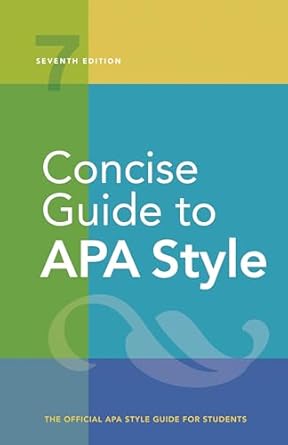
Concise Guide to APA Style: 7th Edition (OFFICIAL)
Page 46 Review
Understanding Student Paper Types, Elements, and Format: A Deep Dive
Academic writing demands precision and clarity.
This section of our ebook delves into the crucial aspects of student papers, focusing on organization, structure, and formatting.
Let’s break down the key elements discussed:
Paper Length: Page Count vs.
Word Count
The text highlights the importance of adhering to specified length requirements, suggesting a preference for word count over page count: “Paper length targets may be specified by either page count or word count; we recommend word count because different fonts are slightly different sizes and may produce variations in the number of pages.
However, follow the directions of your assigning instructor or institution for determining paper length.” This emphasizes the need for consistency and adherence to instructions.
The passage clarifies what elements contribute to both page and word counts: “In general, to determine the page count, count every page, including the title page and reference list.
Likewise, to determine word count, count every word from beginning to end, including all in-text citations, reference entries, tables, figures (other than words in a figure image, which may not be captured by word count), and appendices.” This thoroughness ensures accuracy in meeting length requirements.
The instructions are precise regarding what *not* to include: “Do not courtt text in the page header (i.e., running head and page numbers) or manually add any words within figure images to the word count (these words are generally not included in the automatic word count in programs such as Microsoft Word, Academic Writer, or Google Docs).” This level of detail is essential for students aiming for perfection.
The Significance of Organization
The ebook underscores the vital role of organization in scholarly writing: “In scholarly writing, sound organizational structure is the key to clear, precise, and logical communication.” This is a fundamental principle that underpins effective academic discourse.
Principles of Organization: Building a Strong Foundation
Before even beginning to write, the text advocates for strategic planning: “Before beginning to write, consider the best paper length and structure for your findings.
Ordering your thoughts logically at both sentence and paragraph levels will also strengthen the impact of your writing.” This proactive approach is crucial for crafting a coherent and impactful paper.
The Power of Headings
Headings are presented as navigational tools: “Headings in a document identify the topic or purpose of the content within each section.
Headings help readers become familiar with how a paper’s content is organized, allowing them to easily find the information they seek.” They’re more than just visual cues; they’re guides to understanding the paper’s structure.
The passage stresses the need for concise and descriptive headings: “Headings should be succinct yet long enough to describe the content; see the sample student paper at the end of this chapter for examples of effective headings.
Concise headings help readers anticipate key points and track the development of your argument.” This balance is key to effective communication.
The importance of accessibility is also addressed: “Headings that are well formatted and clearly worded aid both visual and nonvisual readers of all abilities.” This inclusivity is a significant consideration in academic writing.
Further resources are provided for a more in-depth understanding: “For a deeper discussion of how to effectively create and use headings (and related text) for all users (including those using assistive technologies), visit the APA Style website (https://apastyle.apa.org).” This encourages further learning and exploration.
APA Style Heading Levels
The ebook touches upon the structure of APA style headings: “There are five levels of heading in APA Style (see Section 1.26), and all topics of equal importance should have the same level of heading.
For example, in a comparative essay, the heading for each topic being compared should be at the same level, with parallel construction.” This consistency is vital for maintaining clarity and professionalism.
In conclusion, this section of the ebook provides a foundational understanding of student paper structure, emphasizing organization, proper formatting, and the strategic use of headings.
By adhering to these guidelines, students can significantly improve the clarity, impact, and overall quality of their academic writing.
Buy full ebook for only $18: https://www.lulu.com/shop/american-psychological-association/concise-guide-to-apa-style-7th-edition-official/ebook/product-rmzpq54.html?page=1&pageSize=4
Student Paper Format Expert Guide To Organization Structure
Read more: Reducing Bias: Socioeconomic Status & Sexual Orientation