
[toc]
title case guide rules examples and when to use it
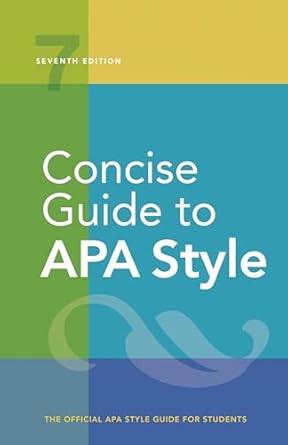
Concise Guide to APA Style: 7th Edition
Page 131 Review
Understanding Title Case: A Detailed Guide
Title case, a common capitalization style, is crucial for maintaining consistency and professionalism in writing, particularly in academic and formal contexts.
This style governs how words in titles and headings are capitalized.
Let’s delve into the rules and nuances of title case, drawing extensively from established guidelines.
Defining Major and Minor Words
Before applying title case, it’s essential to distinguish between major and minor words.
According to the guidelines, “pronouns, and all words of four letters or more are considered major words.
Short (i.e., three letters or fewer) conjunctions, short prepositions, and all articles are considered minor words.” This distinction forms the foundation of title case rules.
The Core Principles of Title Case
The rules of title case can be summarized as follows:
“the first word, even a minor word such as ‘The’”
“the first word of a subtitle, even if it is a minor word”
“the first word after a colon, em dash, or end punctuation in a heading, even if it is a minor word”
“major words, including the second part of hyphenated major words (e.g., ‘Self-Report,’ not ‘Self-report’) ”
“words of four letters or more (e.g., ‘With,’ ‘Between,’ ‘From’) ”
These rules ensure that the most important words in a title or heading are prominently displayed through capitalization.
Lowercase Exceptions: Minor Words
While most words are capitalized in title case, certain exceptions apply to minor words.
Specifically, “short conjunctions (e.g., ‘and,’ ‘as,’ ‘but,’ ‘for,’ ‘if,’ ‘nor,’ ‘or,’ ‘so,’ ‘yet’)”, “articles (‘a,’ ‘an,’ ‘the’)”, and “short prepositions (e.g., ‘as,’ ‘at,’ ‘by,’ ‘for,’ ‘in,’ ‘of,’ ‘off,’ ‘on,’ ‘per,’ ‘to,’ ‘up,’ ‘via’)” are generally lowercase unless they fall under one of the exceptions mentioned earlier (e.g., being the first word of the title).
When to Employ Title Case
Title case is not universally applied but rather reserved for specific situations.
It is used for:
“titles of articles, books, reports, and other works appearing in text” (e.g., “In the book Bilingualism Across the Lifespan: Factors Moderating Language Proficiency”)
“titles of tests or measures, including subscales” (e.g., “Wechsler Adult Intelligence Scale,” “WAIS-IV Verbal Comprehension Index”)
“all headings within a work (Levels 1-5)”
“the title of your paper and of named sections within it” (e.g., “the Data Analyses section”)
Practical Examples and Implications
Consider the example provided: “In the article ‘Media Influences on Self-Stigma of Seeking Psychological Services: The Importance of Media Portrayals and Person Perception’.” Here, ‘Media,’ ‘Influences,’ ‘Self-Stigma,’ ‘Seeking,’ ‘Psychological,’ ‘Services,’ ‘The,’ ‘Importance,’ ‘Media,’ ‘Portrayals,’ ‘Person,’ and ‘Perception’ are capitalized because they are major words or the first word after a colon.
Words like ‘on’ and ‘of’ are lowercase as they are short prepositions.
Challenges and Considerations
While the rules appear straightforward, certain cases can be ambiguous.
For example, the capitalization of hyphenated words can be tricky.
The guideline specifies capitalizing the second part of hyphenated major words (e.g., “Self-Report,’ not “Self-report”), but this rule may not always be intuitive.
Conclusion: Mastering Title Case
Understanding and correctly applying title case is vital for maintaining a professional and consistent writing style.
By following the rules outlined above and paying attention to the nuances of major and minor words, writers can ensure that their titles and headings adhere to the established conventions of title case.
This attention to detail enhances the credibility and readability of their work.
Buy full ebook for only $18: https://www.lulu.com/shop/american-psychological-association/concise-guide-to-apa-style-7th-edition-official/ebook/product-rmzpq54.html?page=1&pageSize=4