
[toc]
apa style referencing accuracy and consistency
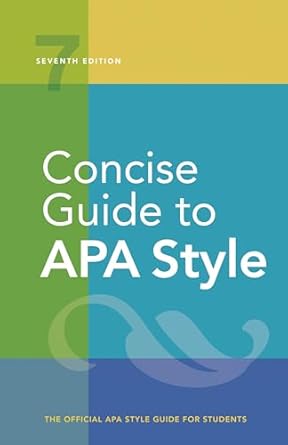
Concise Guide to APA Style: 7th Edition (OFFICIAL)
Page 240 Review
DOCTYPE html>
Decoding APA Style References: Accuracy, Consistency, and Essential Elements
This analysis delves into the critical aspects of APA style referencing, drawing directly from authoritative guidelines to underscore the importance of accuracy, consistency, and understanding of core reference elements.
By focusing on these facets, we aim to highlight how meticulous referencing contributes to scholarly credibility and facilitates effective research.
The Imperative of Accuracy and Consistency
The excerpt emphasizes the foundational role of accuracy in reference listing: “Because one purpose of listing references is to enable readers to retrieve and use the cited works, reference data must be accurate and complete.” This statement is crucial, reminding us that references are not mere formalities but functional tools for knowledge dissemination and verification. “Authors are responsible for all information in their reference lists.
Accurately prepared references help establish your credibility as a careful researcher and writer.”
The text then transitions to the importance of consistency: “Consistency in reference formatting allows readers to focus on the content of your reference list, discerning both the types of works you consulted and the important reference elements (who, when, what, and where) with ease.” Consistency is presented not just as an aesthetic preference but as a means to streamline information processing for the reader.
When you present each reference in a consistent fashion, following APA Style reference guidelines, readers do not need to spend time determining how you organized the information.
And when searching the literature yourself, you also save time and effort when reading reference lists in the works of others.”
Deconstructing Reference Elements: The Author
The focus shifts to the fundamental components of a reference, starting with the “Author Element.” “In a reference, the author refers broadly to the person(s) or group responsible for a work.
This element includes not only author(s) of articles, books, reports, and other works but also others who played primary roles in the creation of a work, such as the editor(s) of a book, the director of a film, the principal investigator of a grant, or a podcast host.” This definition broadens the traditional understanding of ‘author’ to encompass various roles that contribute to the creation of a work.
The text further elaborates on the diverse forms an author can take: “An author may be * an individual, * multiple people, * a group (institution, government agency, organization; see Section 9.11), or * a combination of people and groups.” This breakdown is critical for understanding how to properly attribute credit in different scenarios.
“Sometimes the author of a work is not listed in a traditional byline but can be determined from context.
For instance, the author of an annual report is usually the organization that produced it, unless otherwise specified in the report.
Thus, in the reference list entry”
Implications for Researchers and Writers
Following these guidelines on referencing is very important for researchers and writers.
- Credibility: Showing accurate references builds trust between researchers and readers.
- Efficiency: When references are made correctly, it helps readers easily find the sources.
- Clarity: Consistent formatting makes sure that readers understand the types of sources used.
- Comprehensive Attribution: Recognizing a variety of roles like editors, directors, or principal investigators respects the many individuals who help in creating a piece of work.
Conclusion
The above considerations around accuracy, consistency and proper attribution are very important in the academic community.
Following these guidelines will ensure academic integrity.
Buy full ebook for only $18: https://www.lulu.com/shop/american-psychological-association/concise-guide-to-apa-style-7th-edition-official/ebook/product-rmzpq54.html?page=1&pageSize=4